
0

Keeping Children Safe Online: Is a Social Media Ban the Answer? - Blog - CPD Learning & Professional Development Tips at Laser Short Courses: Keeping Children Safe Online: Is a Social Media Ban the Answer?
Keeping Children Safe Online: Is a Social Media Ban the Answer?
Wednesday 1st July, 2026
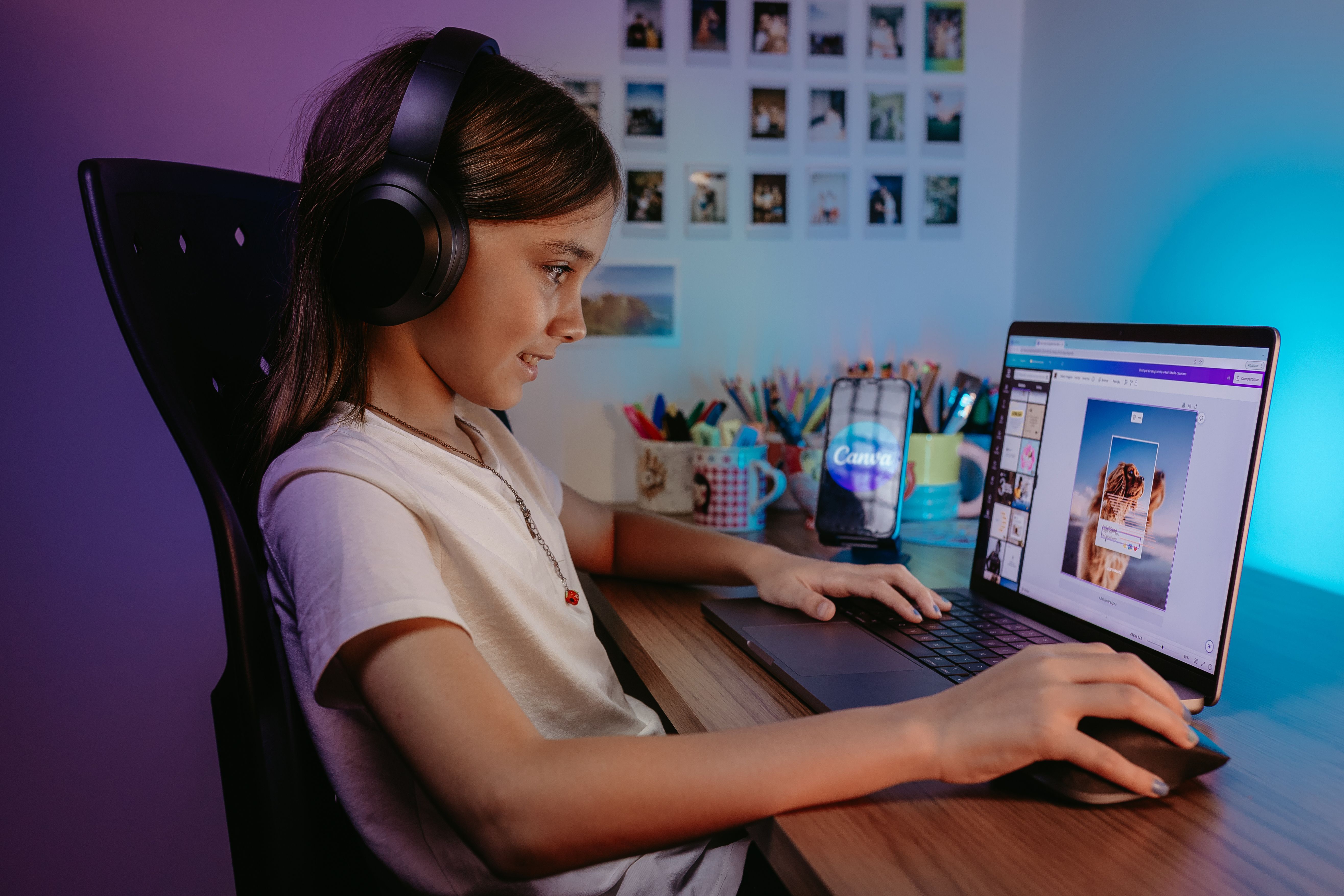
The UK Government has announced plans to ban children under the age of 16 from accessing major social media platforms from Spring 2027, following in the footsteps of Australia who was the first country to introduce a ban.
The proposals would require social media companies – not parents – to prevent under-16s from creating or maintaining accounts. Platforms expected to be included are Instagram, TikTok, Snapchat, Facebook, X (formerly Twitter) and YouTube, while messaging services such as WhatsApp are expected to remain available. The plans also include additional protections, such as restricting livestreaming and preventing strangers from contacting children through some online services.
This move has sparked widespread debate among parents, teachers, technology companies, and children's charities.
Supporters believe the ban is a necessary step to protect children's mental health and wellbeing. Critics argue that banning access alone will not solve the underlying problems and could have unintended consequences.
Potential Benefits
1. Better protection from harmful content: Children can be exposed to violent content, self-harm material, unrealistic body images, misinformation, and harmful online challenges.
Reducing access could lessen exposure during the years when children are most vulnerable to peer pressure and social comparison.
2. Improved mental wellbeing: Many researchers have linked excessive social media use with anxiety, poor sleep, reduced concentration, and lower self-esteem.
Although social media is rarely the sole cause of poor mental health, reducing prolonged exposure may benefit some young people, particularly those already struggling with anxiety or low confidence.
3. Less cyberbullying: Cyberbullying can follow children home, making it difficult to escape.
Removing access before the age of 16 could reduce opportunities for online harassment.
4. More time for offline activities: Supporters argue that fewer hours spent scrolling could mean more time for friends and family, hobbies and interests, and outdoor activities.
Many parents also hope it will reduce conflict around screen time.
The Concerns
Many people believe the issue is more complicated than simply removing access.
1. Children may simply bypass the rules: The biggest challenge is enforcement. Children are very digital savvy and may use:
- Fake dates of birth
- Older siblings' accounts
- VPNs
- Shared family accounts
- Alternative platforms with less safeguards
2. Loss of positive online experiences: Social media is not entirely harmful. Many young people use it to:
- Maintain friendships
- Access educational content
- Explore hobbies and interests
- Find communities where they feel accepted
- Receive peer support
For children who feel isolated because of disability, illness, or identity, online communities can provide valuable social connection.
3. Privacy concerns: Effective age verification requires platforms to know users' ages with much greater certainty.
Critics question whether stronger age checks could lead to increased collection of personal information from third-party tech companies.
4. The problem lies with platforms – not children: Some campaigners argue the focus should be on making platforms safer rather than preventing children from accessing them.
They believe technology companies should redesign platforms that deliberately encourage excessive engagement through features such as infinite scrolling, recommendation algorithms, and notifications.
The charity, Save the Children believes governments should focus on making online spaces safe by design. This means requiring technology companies to create platforms that are age-appropriate, protect children's rights, and place children's wellbeing at the centre of product design.
The charity argues that online spaces should become safer for children rather than simply becoming inaccessible to them.
What Can we Learn from Australia?
Australia became the first country to introduce a nationwide social media ban for under-16s, with the law taking effect in December 2025. The UK's plans closely follow the Australian model, making early evidence particularly relevant.
Early Findings: The first independent research suggests the impact has so far been limited.
A University of Newcastle study found that more than 80% of under-16s surveyed were still using social media around three months after the ban came into force. Many had bypassed restrictions using fake accounts, VPNs or weak age verification systems. Researchers concluded that the legislation had made relatively little difference to overall social media use during its early months.
However, the Australian Government argues that it remains committed to the policy and has announced significantly stronger enforcement measures. Technology companies could face fines if they fail to prevent underage access, while regulators are being given greater powers to investigate compliance. Officials say millions of underage accounts have already been removed or restricted, although enforcement remains challenging.
These early findings suggest that legislation alone may not be enough. Effective age verification, platform accountability, and ongoing enforcement will be crucial if the policy is to achieve its aims.
Final Thoughts
We can all agree that children deserve stronger protection online.
Where opinions differ is how that protection should be achieved.
Supporters of the UK ban see it as a bold step that puts children's wellbeing ahead of the interests of technology companies.
Critics argue that the evidence from Australia suggests bans alone may not significantly reduce social media use, and that greater emphasis should be placed on platform design and stronger regulation of technology companies.
Whether the ban proves successful will depend not only on legislation, but also on how effectively it can be enforced, how technology companies respond, and whether wider changes make the online world genuinely safer for children.
As Australia has already demonstrated, introducing a ban may be the easy part. Ensuring it delivers meaningful improvements to children's wellbeing is likely to be the greater challenge.
Useful Links:
- ‘Social media to be banned for under-16s in landmark government move to give kids their childhood back’ by the Department for Science, Innovation and Technology
- ‘Four in five under-16s in Australia using social media despite ban, study shows’ by Anna Bawden, published by The Guardian
- ‘Save the Children Policy Statement on Social Media Bans (2025)’ by Save the Children